An Embroidery Designer's Take on the Retro Dancer Mama PNG
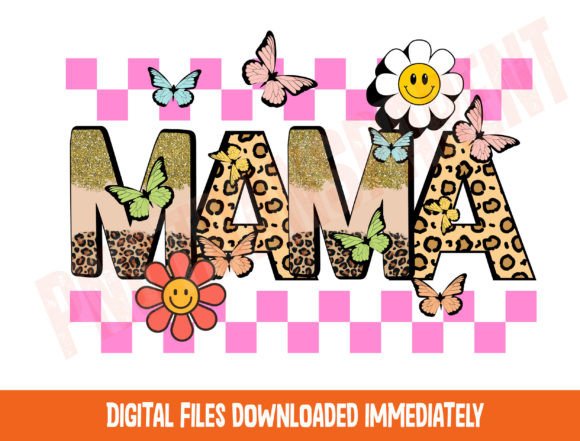
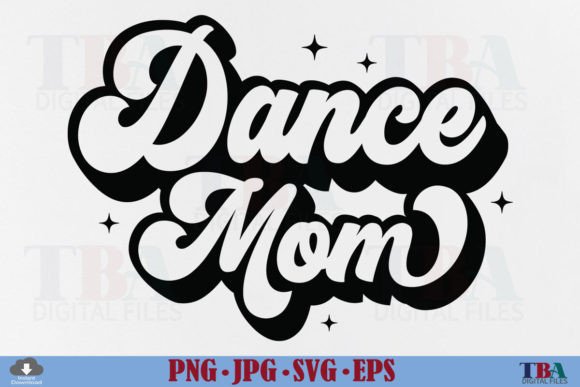
When a design like the Dance Mom SVG, or Retro Dancer Mama PNG, lands in my digital library, my first question isn’t about the technical specs—it’s about the story it tells. Opening this file, the mood is immediately clear: nostalgic, celebratory, and unapologetically proud. The retro dancer silhouette, paired with that classic "Mom" typography, creates a visual personality that’s both playful and heartfelt. It’s not a sterile graphic; it feels like a badge of honor, a wearable declaration. This is a design that belongs on something meant to be seen and cherished, not tucked away.
The Project That Makes This Design Sing
I’m picturing a custom embroidered sweatshirt, something cozy and substantial. The bold, clean lines of this design translate beautifully to a medium where stitch definition is paramount. On a hefty cotton sweatshirt or a canvas tote bag, those outlined shapes would allow for crisp satin stitches, while the solid dancer silhouette could be filled with a dense, smooth fill stitch for excellent visual impact. The scale feels right for a central, statement placement on adult apparel or a larger accessory. For a baby item or delicate nursery decor, I’d likely scale it down carefully, as some of the finer details in the dancer’s form might need simplification for very small hoop sizes.
The appeal here is its giftability. Imagine a personalized pillow cover for a dance teacher, or a custom apron for that mom who spends every weekend at recitals. As a handmade product, it carries a recognition factor that instantly connects with a specific community, which amplifies its perceived value. For an Etsy seller or small shop focusing on personalized gifts, this design is a ready-made commercial embroidery asset that speaks directly to a passionate niche.
Where This Design Finds Its Best Home
Beyond sweatshirts and totes, this Retro Dancer Mama PNG has a natural fit on items meant for display and light use. Embroidered patches come to mind—this design’s clear borders make it an ideal candidate for a standalone patch that could be applied to a backpack or jacket. Kitchen towels, pillow covers, or simple wall hangings in a dance studio are perfect applications where the design won’t face the stress of frequent washing or high abrasion.
I would, however, proceed carefully with certain projects. Stretchy fabrics like thin t-shirts require meticulous stabilizer choice to prevent distortion of those clean lines. Embroidering on curved surfaces, like caps, could pose a challenge with the design’s relatively wide, horizontal layout; a test run on scrap fabric is essential. Also, on very dark fabric backgrounds, the design’s visual clarity depends entirely on thread color contrast. A light, bright thread palette would be non-negotiable to maintain that retro, vibrant feel.
Thinking Like a Business Owner While Stitching
When I evaluate a design for my craft business or client work, I’m looking at how it stitches, but also how it sells. This design’s strength is its straightforward, emotive theme. For customer trust and a professional handmade presentation, the finished embroidery needs to be flawless. The “Mom” lettering, while charming, is the area I’d scrutinize most in a test stitch. Small lettering can sometimes become fuzzy if the stitch density is too high or the hoop size too small. A clean, legible result here is key to the entire piece’s success.
For brand consistency, if your small shop merchandise leans into retro or celebratory themes, this embroidery file slots in beautifully. It’s a design that encourages engagement—it’s something people point at and smile about, which is gold for a boutique product or craft fair display. As a digital product seller, offering this as part of a curated collection for embroidery enthusiasts could be a smart move, provided the licensing clearly allows for such commercial use of the digital file itself.
A Real-Life Scenario: The Holiday Gift Tote
Let’s walk through a practical scenario. A client requests a special tote bag for her sister, a dance mom, as a holiday gift. The Retro Dancer Mama PNG is the obvious choice. My process starts not in the hoop, but on screen. I’ll view the design in both black and white mockups to gauge its balance and silhouette strength. Then, I’ll stitch a sample on a scrap of canvas similar to the tote bag material. This test reveals everything: how the fill stitch behaves in the dancer’s body, whether the outlines stay sharp, and how much stabilizer I need.
Choosing thread colors is next—perhaps a vintage gold for the dancer and a deep burgundy for the text to hit that retro mood. The final step is the actual embroidery, ensuring the tote bag is hooped perfectly taut to avoid puckering. The result? A gift that feels custom, professional, and deeply personal. That’s the real-world value of a well-executed design like this.
Practical Notes from the Hoop
Before you run this machine embroidery design for a real project, here are my grounded, designer-to-designer notes. Always, always test on scrap fabric first. Match the scrap to your final project’s texture and weight as closely as possible. This test isn’t just about aesthetics; it’s about mechanics. Check for any overly dense stitch areas that might cause fabric pull or thread breaks. Inspect the small details, like the points in the dancer’s pose, to ensure they’ll remain distinct.
Since the product description notes PNG files with transparent backgrounds, remember these are graphics files. For embroidery, you or your software will need to convert this into a proper embroidery file format suitable for your specific machine. The provided details mention a file for Cricut and Silhouette, which confirms its use for cutting, but for embroidery, the conversion step is crucial. Also, the description doesn’t specify licensing terms. If you plan to sell the finished embroidered products or the converted embroidery files, you must confirm the commercial licensing rights before proceeding. This is a fundamental step for any creative entrepreneur.
Finally, consider the backdrop. This design, with its solid silhouette and text, will look dramatically different on light versus dark fabrics. Plan your thread palette accordingly. On a light fabric, you have more freedom with darker, bold threads. On a dark fabric, you’ll need bright, possibly even metallic, threads to make it pop. The right stabilizer for your chosen fabric—whether it’s a tear-away for stable totes or a cut-away for stretchy apparel—is the unsung hero that ensures your Dance Mom SVG design looks as confident and clean on the finished product as it does on your screen.
In the end, designs like the Retro Dancer Mama PNG are more than just graphics; they’re potential memories waiting to be stitched. They hold value when they resonate and when they’re executed with care. From my perspective at the hoop, this design has the character to make that happen, provided we bring our practical knowledge to the table alongside our creative enthusiasm.