Car Line Art: A Designer’s Real-World Embroidery Review
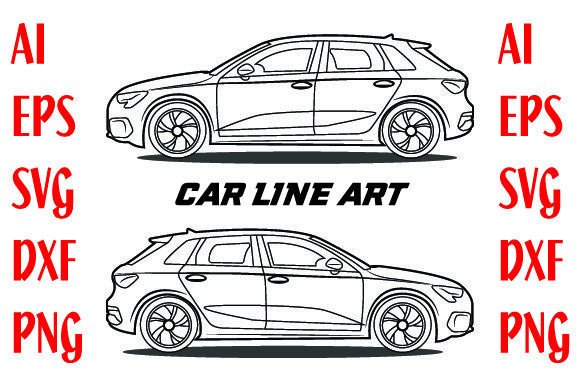
As someone who’s stitched hundreds of custom pieces—from baby onesies to boutique aprons—I opened the Car Line Art download with quiet curiosity, not hype. This isn’t a flashy vector pack or a trend-chasing bundle. It’s a single, clean line drawing of a car—minimalist, balanced, and quietly confident. I tested it on a linen-cotton tote bag for a local nursery shop, and that’s where its real personality emerged: understated charm, strong silhouette, and surprising versatility.
First Impression: Simplicity That Speaks Clearly
The Car Line Art design reads instantly. No shading, no gradients—just one continuous, confident stroke defining wheels, windows, and body contour. It feels nostalgic but not dated, playful but not childish. That matters when you’re embroidering for real people: parents choosing a gift for a new dad, a small shop curating gender-neutral baby items, or an Etsy seller building a cohesive “everyday essentials” collection. The line weight is consistent—not too thin to vanish in fill stitch, not so thick it overwhelms a 3-inch hoop. Visually, it leans modern-minimalist, which means it won’t compete with busy fabric prints or clash with curated home goods.
Where It Shines: Real Projects, Real Fabric
I stitched Car Line Art on three very different substrates: a medium-weight cotton sweatshirt (for a toddler birthday gift), a lightweight tea towel (for a craft fair booth), and a twill baseball cap (for a custom order). On the sweatshirt, it held crispness with a simple running stitch outline—no fill needed. On the tea towel, I used a satin stitch border and kept it small (2.8 inches wide); the clean lines translated beautifully, even at that scale. On the cap, I resized it to 2.2 inches and added light tear-away stabilizer underneath—the curve didn’t distort the shape, and the stitching stayed legible.
- Tote bags & aprons: Ideal placement over pockets or centered on the front panel—adds character without clutter.
- Baby items: Works perfectly on onesies, bibs, or blanket corners. Its simplicity reads clearly even on tiny garments.
- Holiday or milestone gifts: Pair with a subtle “First Ride” or “Dad’s Co-Pilot” text in a clean sans-serif—it becomes a personalized story, not just decoration.
- Etsy listings & small shop branding: Use the PNG mockup files to show it on neutral apparel—customers instantly grasp its tone and scale.
Where to Pause—and Test First
Line art is forgiving, but embroidery isn’t magic. Here’s where Car Line Art needs thoughtful handling:
- Stretchy fabrics (like jersey tees): Even a simple outline can wobble without proper cutaway stabilizer and tight hooping. Always test on scrap first.
- Dark or textured fabrics (corduroy, heavy fleece): The line may soften visually. Consider slightly increasing stitch width—or switching to a contrasting thread (e.g., white on navy).
- Curved surfaces (caps, curved pillow covers): While it held up well on my cap, avoid placing the design near the bill seam or crown peak unless you’ve confirmed your machine’s tension handles fine detail there.
- Small hoops (under 3 inches): The wheel details and window lines are clear, but don’t shrink below 2 inches—you’ll lose definition in satin or fill stitch.
- Frequent-wash items (baby towels, kitchen linens): Stick with high-quality polyester thread and secure jump stitches. Line art looks delicate, but durability depends on execution—not just the design.
What It Adds to Your Finished Product
This isn’t just about “will it stitch?” It’s about how the Car Line Art design affects perception. On a handmade tote, it signals intention—not generic clipart, but considered design. For a craft business, it reinforces brand cohesion when paired with other minimalist motifs (bikes, trees, animals). Customers notice that. They trust it more. And because it’s uncluttered, it photographs cleanly for social media or printable mockups—no retouching needed.
It also works quietly across audiences: dads appreciate the nod to practicality, moms like its gentle tone, kids respond to the friendly shape. That cross-generational readability makes it smart inventory for small shops, holiday markets, or digital product sellers bundling themed graphics.
Practical Notes Every Embroidery Designer Should Check
Before stitching Car Line Art into your next project, take five minutes to verify:
- Test on scrap fabric—same type and weight as your final piece. Watch how the line holds on both light and dark thread.
- Check stitch density if converting to fill or satin stitch—line art files aren’t always optimized for dense coverage.
- Confirm hoop size compatibility. The EPS/SVG/DXF files give flexibility, but your machine’s native format matters most.
- Review small details at actual size. Zoom in on the wheel spokes or window frame—do they hold clarity at your intended dimensions?
- Verify licensing. Since this is sold as a printable for t-shirt printing, confirm whether commercial embroidery rights are included before selling finished embroidered goods or reselling digitized versions.
- Try black-and-white mockups. Does it retain impact without color? That tells you whether it’ll work on monochrome merchandise or vintage-style branding.
Final Thought: A Quietly Confident Design Asset
Car Line Art won’t shout. It doesn’t need to. What it offers is reliability—the kind that saves time on revisions, builds customer trust through consistency, and elevates everyday handmade products with quiet intention. It’s not a “wow” design; it’s a “yes, this fits” design. Whether you’re prepping a batch of embroidered patches for a craft fair, building a seasonal Etsy collection, or digitizing for a local apparel shop, Car Line Art earns its place in your folder of go-to Graphics—not as filler, but as foundation.
If you value designs that serve the project—not the portfolio—this one deserves a closer look. Just remember: even the cleanest line art reveals its true character only after the needle moves. So hoop it up, thread wisely, and stitch with confidence.