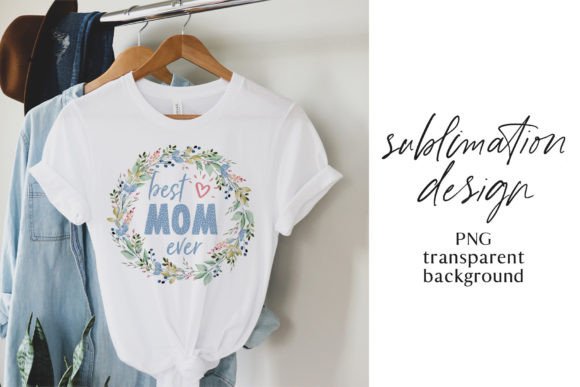
T-Shirt Design with Leaves, PNG File
First Impression: Soft, Warm, and Quietly Confident
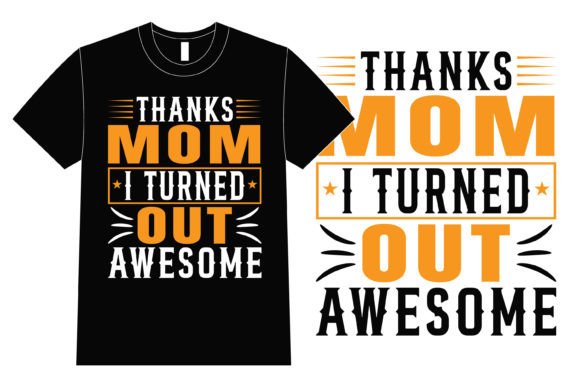
When I opened T-shirt Design with Leaves, PNG File, what struck me wasn’t flashiness—it was intention. The watercolor clipart style feels hand-tended, not mass-produced. There’s a gentle asymmetry to the leaf cluster, with subtle texture in the edges and soft gradients that suggest movement, like leaves catching afternoon light. It reads as “Best MOM” without shouting—more like a quiet nod between people who know how much love lives in small, daily things. That mood translates beautifully to embroidery: it’s inherently personal, warm, and tactile—ideal for baby clothes, nursery decor, or a custom tote bag for a new mom.
Where This Design Truly Shines
I recently used T-shirt Design with Leaves, PNG File as the centerpiece for a linen apron for a local café owner’s mother—a gift meant to feel handmade, not printed. Stitched in muted sage and cream thread on natural linen, the design held its breath and then bloomed: the watercolor softness translated into delicate satin stitch transitions and airy fill stitch zones. No harsh lines, no visual fatigue. It worked just as well on a lightweight cotton sweatshirt for a toddler—soft enough for sensitive skin, detailed enough to feel intentional.
This design fits naturally into:
- Embroidered baby items—onesies, burp cloths, and swaddle blankets where subtlety and comfort matter most;
- Personalized gifts—pillow covers, tea towels, and kitchen linens where warmth and quiet elegance elevate everyday use;
- Small shop merchandise—think boutique-branded tote bags or embroidered patches for craft fair booths;
- Holiday or milestone gifting—a stitched version on a linen napkin set for Mother’s Day lands differently than a generic print.
Real-World Embroidery Considerations
Here’s where practicality kicks in: T-shirt Design with Leaves, PNG File is a sublimation design first—not an embroidery file out of the box. That means you’ll need to digitize it thoughtfully before stitching. If you’re an Etsy seller or craft business owner offering custom embroidered goods, this isn’t a drag-and-drop asset. It’s a starting point—and a good one, if treated with care.
The watercolor quality gives you breathing room: softer edges mean less risk of thread buildup in dense corners, and the organic shape avoids rigid geometry that can look stiff on curved surfaces like caps or pillow covers. But that same softness means tiny details—like fine leaf veins or delicate lettering in “Best MOM”—may blur or vanish at smaller hoop sizes or on textured fabrics like terry cloth or heavy fleece.
Use With Care On…
- Stretchy or thin fabric—the design’s openness relies on stable tension; without proper stabilizer, fill areas may pucker or shift;
- Dark backgrounds—while the PNG has transparency, thread contrast becomes critical. Test satin stitch coverage in charcoal or navy before committing to a client order;
- Curved surfaces (caps, hats)—the leaf cluster’s gentle flow works, but avoid placing the thickest part directly over the crown seam;
- Frequently washed items—like baby clothes or kitchen towels—where stitch density and thread choice affect longevity more than visual flair.
What It Adds to Your Finished Product
This isn’t just decoration—it’s emotional shorthand. When customers see T-shirt Design with Leaves, PNG File stitched onto a handmade product, they register care before they read the words. That builds trust. For Etsy sellers, it elevates perceived value—not because it’s complex, but because it feels considered. For craft fair shoppers, it signals authenticity: this wasn’t slapped on; it was chosen, digitized, and stitched with attention.
It also supports brand consistency. Use it across a line—baby onesies, matching mom-and-me tea towels, embroidered patches for your shop logo—and the shared visual language ties everything together without repetition feeling stale.
Practical Designer Notes Before You Stitch
- Always test on scrap fabric first—especially with your intended stabilizer combo (cutaway + tear-away often works best for watercolor-inspired fills);
- Check thread color contrast in both natural and artificial light—what reads softly in daylight may disappear under fluorescent shop lighting;
- Review stitch density: too dense = stiff fabric; too sparse = loss of watercolor nuance. Aim for balanced coverage, not maximum fill;
- Confirm hoop size compatibility—the leaf cluster likely needs at least a 4×4 hoop, but verify before digitizing;
- Inspect small details in your embroidery software: does “MOM” hold legibility at 2.5 inches wide? Does the leaf edge translate cleanly into satin stitch, or does it need manual cleanup?
- Test black-and-white mockups—this design’s strength lies in tone and texture, not high-contrast pop;
- Compare light vs. dark fabric backgrounds in your digital preview—transparency doesn’t guarantee versatility;
- Verify licensing terms before selling finished embroidered items or bundling as part of a commercial embroidery kit—this is a Graphics asset, not pre-digitized machine embroidery design.
A Design That Earns Its Place
T-shirt Design with Leaves, PNG File won’t wow with scale or sparkle—but it earns its place quietly, consistently, and meaningfully. It’s the kind of asset that makes a baby onesie feel like a keepsake, a kitchen towel feel like a love note, and a small shop’s branding feel grounded and human. For embroidery designers and creative entrepreneurs who value thoughtful execution over loud novelty, it’s worth the extra digitizing step. Just remember: its power lies in restraint, so let the leaves breathe—and stitch accordingly.